
Your wedding flowers should do more than fill a room. They should tell your story.
Flowers have a beautiful way of making a wedding feel like your wedding. They soften a space, create a sense of romance, welcome your guests, and bring your design vision to life. But beyond their beauty, flowers can hold memories, honor loved ones, and express pieces of your story that words sometimes cannot.
One of the most rewarding parts of wedding planning is collaborating with talented creative professionals who can take your ideas and transform them into something meaningful. Your florist is one of those professionals.
The secret to a wonderful floral experience isn’t simply finding someone who can create beautiful arrangements. It’s building a relationship with someone who understands your vision, respects your story, and brings their own artistry to the table.
Here are ten (10) thoughtful ways to build that relationship and help your wedding flowers feel personal, intentional, and beautifully reflective of the two of you.
1. Choose a Florist for Their Strengths, Not Just Their Availability
Every florist has a unique artistic voice. Some excel at lush, romantic arrangements filled with garden roses and delicate textures. Others are known for modern, architectural designs, sculptural installations, or understated arrangements that let the beauty of individual blooms shine.
As you explore potential florists, pay attention to the work that makes you stop scrolling. What draws you to their designs? Is it their use of color, their creativity with unexpected flowers, or the way they transform an entire room?
Choose a florist whose existing work resonates with you.
It’s perfectly reasonable to ask questions about whether a florist can accommodate a particular request. However, hiring someone for their distinctive style and then asking them to create work that looks nothing like their portfolio can make the creative process unnecessarily difficult.
Give your florist room to do what they do best. When your vision aligns with their strengths, the collaboration often feels more natural, and the results can be even more beautiful than you imagined.
2. Share Your Personal Style and the Feeling You Want to Create
Before discussing specific flowers, talk about the feeling you want your wedding day to evoke.
Perhaps you envision an intimate, candlelit dinner that feels like a romantic evening at home. Maybe you’re dreaming of a garden-inspired celebration filled with movement, color, and abundant blooms. Or perhaps your ideal wedding is a sophisticated black-tie affair with clean lines, restrained florals, and dramatic architectural details.
Whatever your vision, help your florist understand the atmosphere you’re trying to create.
Share inspiration images, color palettes, favorite interiors, fashion references, and even places you love to visit. Explain what you like about those references rather than simply sending a collection of photographs.
You might love the softness of one arrangement, the color story of another, and the overall mood of a third. Explaining those preferences helps your florist understand the common thread connecting your ideas.
Remember, too, that your wedding design should feel like an expression of the two of you—not a collection of trends you’ve seen online.
The more your florist understands your personal style and the experience you want to create, the better equipped they will be to translate that vision into floral design.
3. Share Family Memories, Traditions, and Meaningful Heirlooms
Some of the most meaningful wedding details aren’t the most expensive ones. They’re the ones that carry a story.
Perhaps your grandmother grew roses in her garden. Maybe your parents were married beneath a canopy of white flowers. You might have a family heirloom vase, a treasured piece of fabric, or a brooch that has been passed down through generations.
Tell your florist about these details.
You may discover a way to incorporate a favorite flower, echo a family tradition through color, or display a meaningful heirloom as part of your ceremony or reception design.
Even if an heirloom isn’t suitable for holding flowers, it might inspire a floral arrangement or influence the overall design.
You don’t need to incorporate every family tradition or sentimental object into your wedding. The goal is to identify the memories that matter most to you and explore thoughtful ways to honor them.
Flowers can be especially powerful when they connect the present moment to the people and experiences that helped shape your lives.
4. Communicate Any Allergies, Sensitivities, or Floral Aversions
Beautiful flowers should help you feel comfortable on your wedding day—not distract you from enjoying it.
If either of you has a known allergy or sensitivity to particular flowers, plants, fragrances, or pollen, share that information with your florist as early as possible. Let them know about any guests with significant sensitivities if those needs are relevant to the event design.
You should also discuss flowers you simply don’t like. Perhaps the fragrance of lilies is overwhelming to you, or you have never cared for the appearance of carnations. Maybe a particular flower reminds you of an unpleasant memory.
You don’t need a medical reason to have a preference.
Your florist can help identify alternatives that preserve your desired aesthetic while respecting your needs. Depending on the sensitivity, that might mean choosing different varieties, minimizing strongly scented flowers, or adjusting where certain arrangements are placed.
Be specific and honest. Clear communication gives your florist the opportunity to create something beautiful with your comfort in mind.
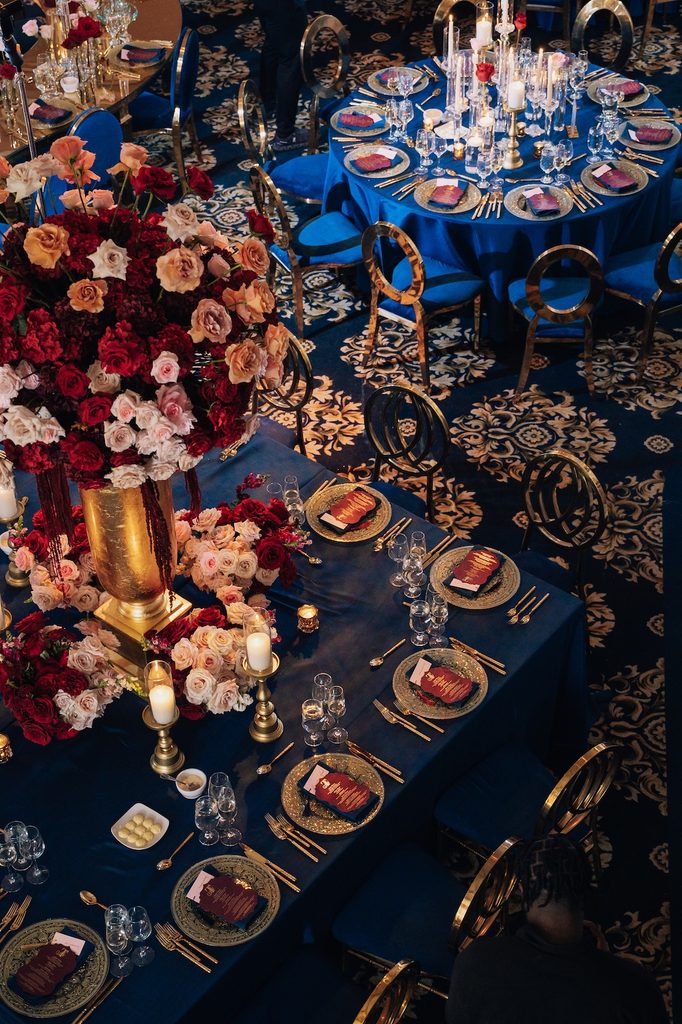
5. Include Your Florist in Design Discussions and the Final Walkthrough
Floral design doesn’t exist in isolation. It works alongside your venue, lighting, linens, furniture, stationery, tabletop details, and overall event layout.
That’s why your florist should be part of the broader design conversation.
When possible, include your florist in relevant discussions with your wedding planner, rental company, lighting designer, and other creative partners. Their input can help everyone understand how the individual design elements will work together.
For example, a floral installation may look stunning in a rendering, but its placement could interfere with sightlines, lighting, or guest movement. A centerpiece may be beautiful on its own but feel disproportionate when paired with your chosen tablescape.
A coordinated design discussion can help identify these concerns before wedding day.
A final venue walkthrough is also valuable when logistics permit. It gives your florist an opportunity to confirm installation locations, assess access and setup conditions, review measurements, and coordinate with the team responsible for bringing the design to life.
The goal is not simply to make every individual detail beautiful. It’s to make sure all the details work beautifully together.
6. Let Your Florist See Your Wedding Day Attire
Your wedding attire is an important part of the overall design story, and your flowers should complement it.
Share a photograph of your dress, suit, or other wedding-day attire with your florist. If your outfit includes distinctive embellishments, embroidery, lace, beading, or an unusual silhouette, those details can help inform the floral design.
For example, a sleek, minimalist gown might pair beautifully with a sculptural bouquet, while a romantic gown with intricate lace may inspire a softer arrangement with delicate textures.
Your bouquet should also feel proportionate to your frame and complement the way you want to look and feel as you walk down the aisle.
Don’t forget about the other floral elements that interact with your attire, including boutonnieres, floral hair accessories, and flowers worn by members of your wedding party.
If you’re planning to change outfits during the celebration, let your florist know that, too.
These details may seem small, but they help create a cohesive visual story from the ceremony through the last dance.
7. Discuss Your Wedding Day Timeline
Your florist needs more than a delivery time. They need to understand how the day will unfold.
When will the ceremony take place? Will you be taking portraits before or after the ceremony? Are there multiple locations? Will floral installations need to be moved from the ceremony to the reception? When will guests enter the reception space?
These questions influence how your florist plans deliveries, staffing, installation, transportation, and room transitions.
For example, if ceremony flowers will be repurposed at the reception, your planner and florist must coordinate the timing, placement, and personnel needed to move those arrangements safely and efficiently.
Large installations may require additional setup time, specialized equipment, or venue access well before the ceremony begins. Outdoor weddings may also require contingency plans for weather and heat.
Share your overall timeline with your florist and keep them informed when important details change.
A well-coordinated timeline allows your florist to focus on the artistry while the planning team manages the logistics that make everything possible.
8. Ask About Donating Your Flowers After the Wedding
After months of planning, it’s natural to wonder what will happen to your beautiful flowers once the celebration ends.
If giving back is important to you, consider asking your florist and wedding planner about donation opportunities.
Depending on the arrangements, your venue’s policies, and local availability, flowers may be suitable for redistribution to nursing homes, community organizations, places of worship, or other recipients who would appreciate them.
You might also explore organizations that specialize in collecting and repurposing event flowers.
However, it’s important to discuss this well before your wedding day. Not every floral arrangement can be donated, and some organizations have specific requirements regarding flower condition, collection times, transportation, and packaging.
Donation may also involve additional labor or fees, so clarify the arrangements in advance.
If donation isn’t practical, ask whether there are other options for repurposing your flowers, such as inviting guests to take arrangements home when permitted.
A little advance planning can give your flowers a second life and extend the joy they bring beyond your wedding celebration.
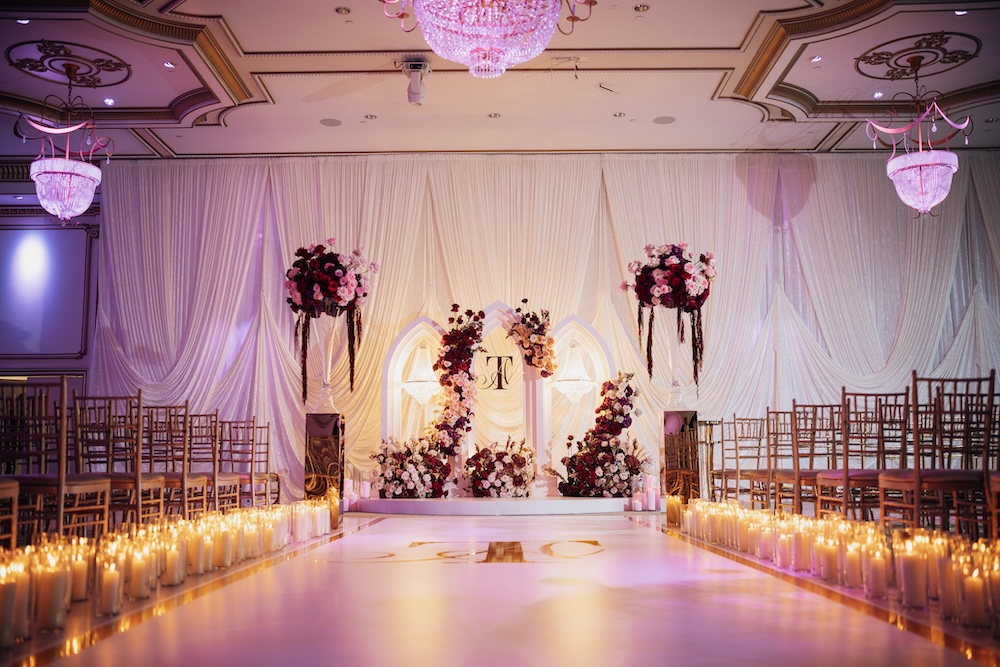
9. Share Your Professional Wedding Photographs With Your Florist
Your florist invests considerable time, creativity, and skill in designing the flowers for your wedding. Once the celebration is over, sharing your professional photographs is a thoughtful way to close the loop on your collaboration.
Photographs allow your florist to see how the arrangements looked in the finished space, how the flowers complemented your attire, and how the overall design came together.
They may also be able to use selected images in their portfolio, on their website, or across their social media channels, subject to the photographer’s usage permissions and any applicable agreements.
Before sharing images publicly, make sure you understand the photographer’s licensing terms. If your florist would like to publish the photographs, confirm that they have the necessary permission and that any requested vendor credits are included.
You may also want to share a few words about your experience working together.
A sincere thank-you, a thoughtful review, or permission to share an image can mean a great deal to a creative professional who helped bring your vision to life.
It’s a lovely way to acknowledge the people who contributed to your wedding and help future couples discover their work.
10. Treat Your Florist as a Creative Partner
Your florist brings professional knowledge, technical expertise, and an artistic perspective to your wedding. You bring your personal story, preferences, priorities, and vision for the celebration.
The magic happens when those contributions come together.
Ask questions. Share your concerns. Explain what matters most to you. Be open to professional recommendations, particularly when your florist offers an alternative that achieves the same goal in a more practical or visually compelling way.
If you have a specific inspiration image, discuss what you love about it and ask how that feeling might be interpreted for your venue, season, and budget. An exact replica may not be possible or desirable, but a skilled florist can help you identify the elements that make the design meaningful to you.
And remember that collaboration requires trust on both sides. Your florist should listen to your priorities, communicate clearly, and respect the investment you’re making. You should feel comfortable expressing your needs while giving them the opportunity to bring their expertise to the process.
When you approach the relationship as a partnership, the experience becomes about more than selecting centerpieces and bouquets. It becomes a shared effort to create something meaningful.
A Final Thought: Let Your Flowers Tell Your Story
Your wedding flowers don’t have to be the most extravagant arrangements your guests have ever seen. They don’t need to follow every trend or resemble a photograph you’ve saved on Pinterest.
They should feel right for the two of you.
Perhaps that’s a bouquet featuring flowers from your grandmother’s garden. Perhaps it’s a dramatic ceremony installation that transforms your venue. Or perhaps it’s a collection of understated arrangements that allows candlelight, conversation, and the people you love to take center stage.
Whatever you choose, the most meaningful floral designs begin with thoughtful communication, mutual trust, and a shared understanding of what matters most.
Take the time to find a florist whose artistry speaks to you. Share your story. Be honest about your needs. Invite collaboration.
Because when the right creative partners understand not only what you want your wedding to look like, but also how you want it to feel, the details begin to take on a life of their own.
And that is when your wedding flowers become more than decoration. They become part of the story you’ll remember long after the last petal has fallen.
Are you ready to embark upon a worry-free wedding planning experience? Please don’t hesitate to contact your professional wedding planning team at Howerton+Wooten Events. We specialize in helping our clients create authentic, creative, and inspiring wedding days.
Love & Soul Always, Kawania
Flowers in the Blog Post: Sincerely PS Events Design
Photography in this Blog Post: Mesus Studios
P.S. If you are interested in booking me as a speaker or lifestyle expert for your event, podcast, TV show or news article, click here to learn more about my knowledge and expertise.